
Industrial manipulator, what is and when is it required?
An industrial manipulator is a mechanical or articulated system designed to support, balance, and guide tools or loads during manual or semi-manual industrial operations. Its primary purpose is to eliminate physical overload on the operator while maintaining full control, precision, and responsiveness.
Industrial manipulators become essential when tasks involve repetitive movements, heavy or awkward loads, extended holding times, or operations where tool stability directly impacts quality and safety. In sectors such as automotive manufacturing, aerospace, rail, metalworking, and general industry, these systems are no longer optional add-ons but critical components of a modern, ergonomic workstation.
By transferring weight and inertia from the operator to the system, an industrial manipulator allows human skill to focus on accuracy and decision-making rather than physical endurance.
The 3arm® ergonomic arm is the most durable and reliable arm currently available on the global market.

Safety
Workers' limbs are kept at a safe distance, ensuring their protection.

Efficiency
3arm® allows the full range of motion to complete any task by removing the weight load from the worker.
Increased productivity
3arm® eliminates tool weight, providing an ergonomic benefit to increase productivity.
Key applications of industrial manipulators in manufacturing
Industrial manipulators are widely used across high-demand production environments where safety, consistency, and throughput must coexist.
In assembly operations, manipulators support tools used for fastening, grinding, polishing, or fitting components, ensuring stable positioning throughout the task. In machining and finishing processes, they help guide heavy tools with controlled movement, reducing vibration exposure and improving surface quality.
They are also critical in handling operations where components must be positioned precisely without excessive force, minimizing the risk of impact damage or operator injury. In all these cases, the industrial manipulator acts as a physical interface between human capability and industrial force.
Ergonomic and operational benefits of using an industrial manipulator
The most immediate benefit of an industrial manipulator is the reduction of musculoskeletal strain. By removing static load from shoulders, wrists, and back, operators can work longer with less fatigue and significantly lower injury risk.
From an operational standpoint, manipulators improve repeatability and control. Movements become smoother, more predictable, and easier to standardize across shifts and operators. This directly affects product quality and reduces rework.
An ergonomic industrial manipulator also supports compliance with occupational health and safety standards by addressing risk at its source rather than relying solely on training or personal protective equipment. This proactive approach to ergonomics results in measurable reductions in absenteeism and long-term health costs.
Ergonomic Lifting Devices
Applications

Automotive
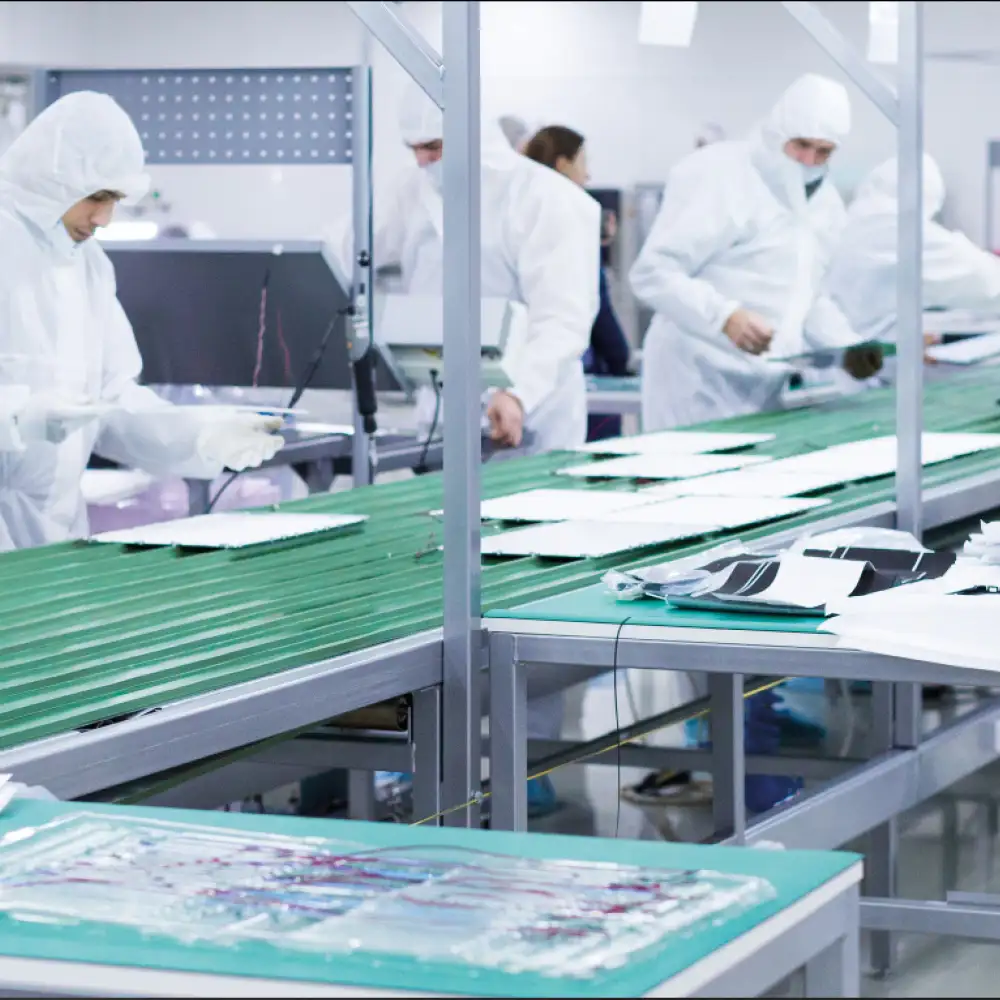
Assembly
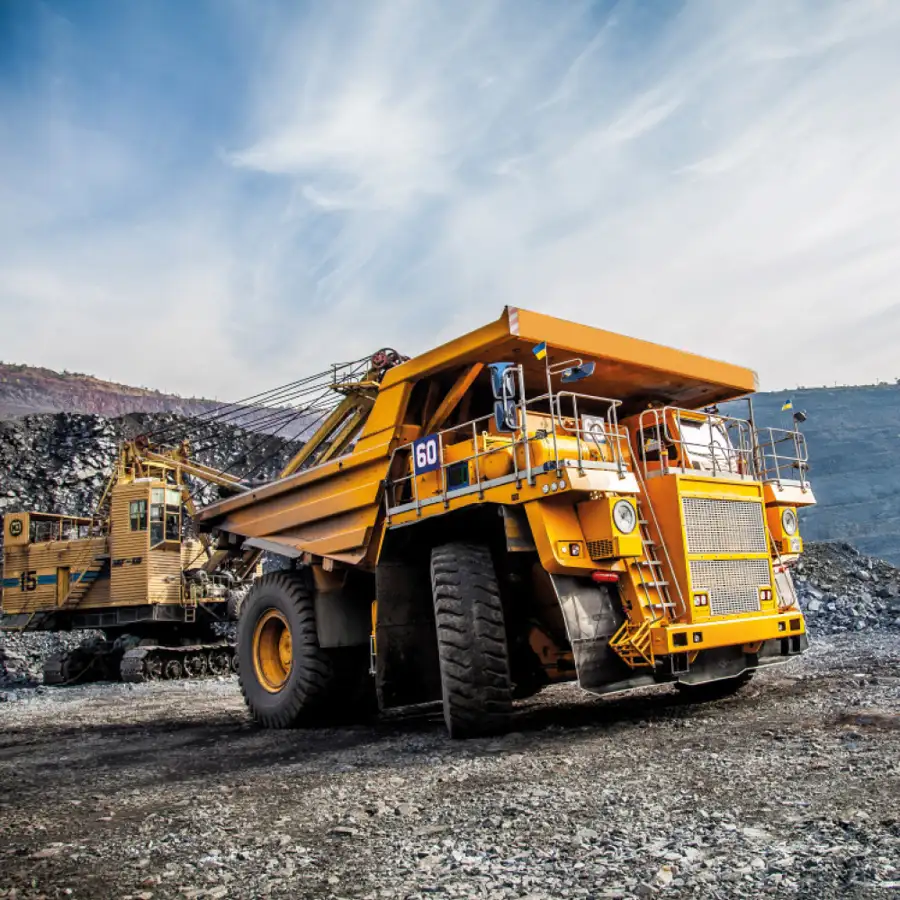
Mining

Wind Energy

Construction

Aerospace
Why choose a 3ARM industrial manipulator?
3ARM designs industrial manipulators as engineered solutions, not off-the-shelf compromises. Each system is developed around the real conditions of the workstation: tool weight, range of motion, cycle time, and operator interaction.
3ARM manipulators are built to integrate seamlessly into existing production lines, offering articulated arm configurations that provide natural, intuitive movement without resistance or loss of precision. The result is a system that feels like an extension of the operator rather than a constraint.
With extensive international experience across demanding industries, 3ARM delivers robust, reliable manipulators that perform consistently in high-duty environments. The focus is always the same: safer operators, more stable processes, and higher overall efficiency.
Frequently Asked Questions
What types of loads can an industrial manipulator handle?
Industrial manipulators can support tools and loads ranging from lightweight precision equipment to heavy industrial tools, depending on configuration and application requirements.
Is an industrial manipulator suitable for repetitive tasks?
Yes. Repetitive operations are one of the main use cases, as manipulators significantly reduce fatigue and long-term injury risk.
Can an industrial manipulator be customized to my process?
Absolutely. Customization is essential for effectiveness. 3ARM systems are tailored to the specific tool, load, and movement patterns of each workstation.
Does using an industrial manipulator slow down production?
On the contrary. By improving control and reducing fatigue, manipulators typically increase throughput and consistency over time.
Request information about our industrial ergonomic solutions
If you would like to improve the efficiency and receive technical advice, our team will be happy to assist you.