Pressure on industrial productivity has increased steadily over the last decade. Higher operational demands, faster work pace and growing attention to occupational safety have turned ergonomics into a strategic factor, not just a preventive one. In this context, the tool balancer is consolidating as a key solution for companies seeking to reduce injuries, improve efficiency and obtain a clear and measurable return on investment.
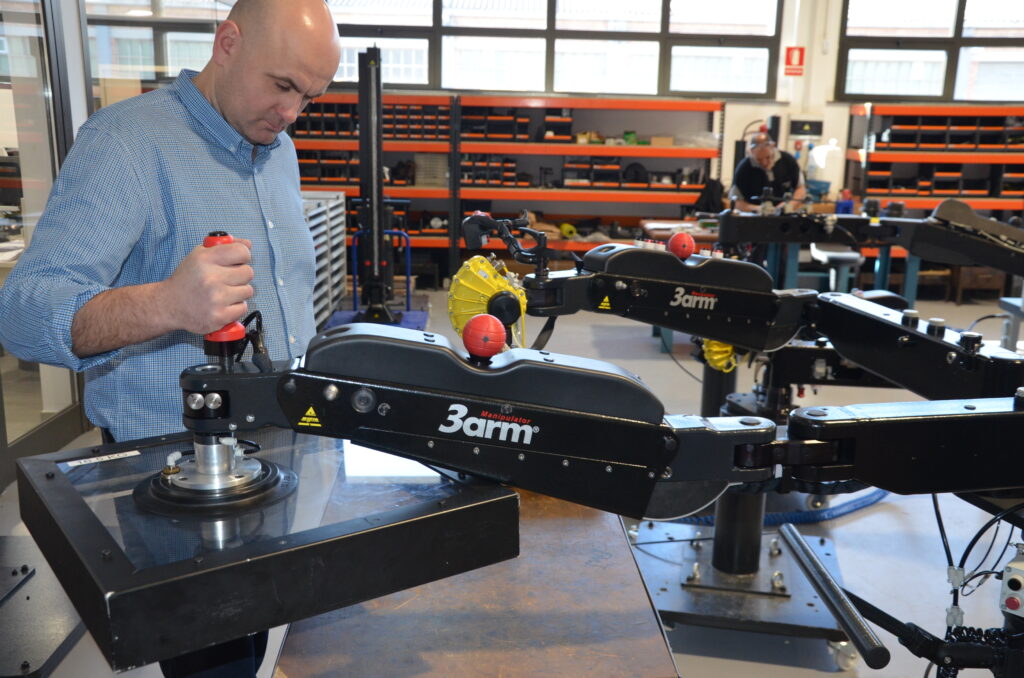
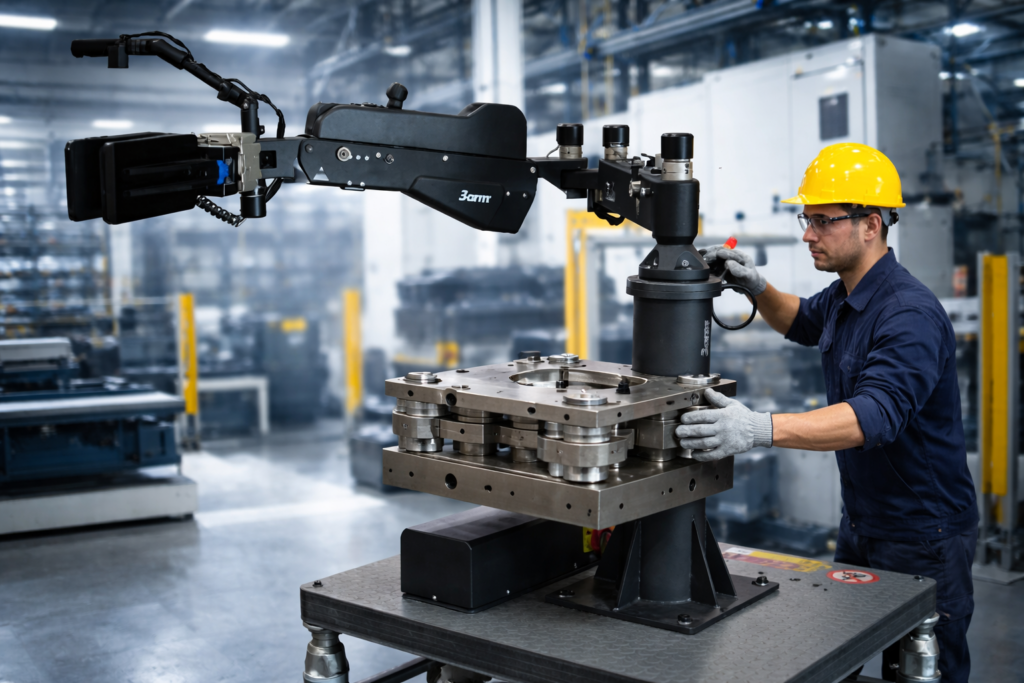
Far from being a simple accessory, the tool balancer acts as a true support for the tool, eliminating perceived weight and allowing the operator to work with precision, stability and less fatigue, even during prolonged cycles.
Ergonomic signs that indicate the need for a tool balancer
One of the main barriers to implementing ergonomic solutions is identifying the right moment. There are clear signals that indicate when a workstation requires a tool balancer.
Recurrent fatigue and musculoskeletal discomfort
When operators report pain in shoulders, wrists, back or neck—especially during repetitive tasks—we are facing an unmistakable symptom. The sustained weight of manual tools generates constant micro-loads that, over time, lead to sick leave, staff turnover and loss of operational experience. Integrating a tool balancer immediately reduces these tensions and improves workplace ergonomics for manufacturing.
Loss of precision and process quality
Fatigue does not only affect health; it also directly impacts quality. Imprecise screwdriving, deviations, positioning errors or rework are often associated with tools that are difficult to handle during long shifts. A well-configured support system, such as a tool support arm or articulating arm, enables smooth, repeatable and controlled movements, increasing process consistency.
Operational signals that justify investing in a tool balancer
Beyond ergonomics, there are productivity indicators that reinforce the need to incorporate a tool balancer.
Long cycle times and frequent pauses
When operators need to interrupt work to rest, reposition tools or change posture, overall performance declines. The tool balancer keeps the tool always available, suspended and balanced, reducing downtime and improving workstation flow.
Increase in incidents caused by dropped or damaged tools
Heavy tools, when not assisted, tend to be placed on unsuitable surfaces or fall accidentally. This generates repair costs, unplanned downtime and safety risks. A tool balancer also acts as a protection system for productive assets.
How to choose the right tool balancer
Not all industrial environments require the same solution. The correct selection determines the success of the system and its economic return.
Real weight and operating range
The first criterion is the total weight of the tool, including cables, hoses and accessories. A tool balancer must operate within its optimal range to guarantee stability and durability. Oversizing or undersizing the system compromises both ergonomics and equipment lifespan.
Type of application and freedom of movement
Screwdriving, machining, assembly or handling operations require different degrees of mobility. A good support solution—often integrated with an articulating arm—must naturally accompany the operator without generating resistance or unwanted inertia. This is where ergonomic articulated arms offer a decisive advantage over conventional solutions.
Industrial environment and safety
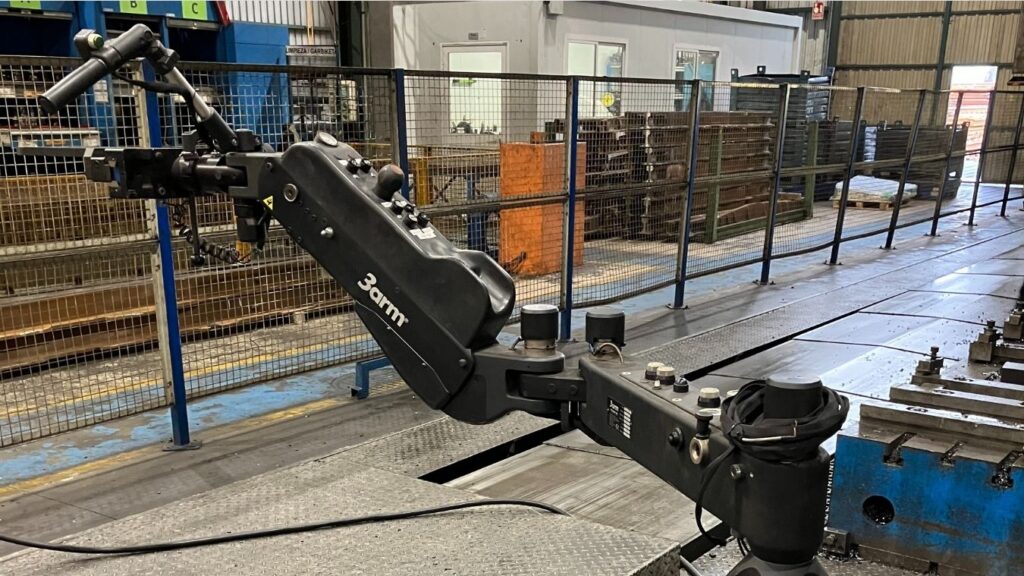
Environments with high production demands, long shifts or sectors such as automotive, aerospace or railway require robust, reliable and certified solutions. Ergonomics at work is not only about comfort; it is about regulatory compliance and risk prevention.
The ROI of the tool balancer: a measurable investment
One of the biggest myths is considering the tool balancer a cost. In reality, it is an investment with direct and quantifiable return.
Reduction of sick leave and indirect costs
Musculoskeletal injuries represent one of the largest hidden costs in industry. Fewer sick leaves, fewer replacements and lower turnover translate into immediate savings. A single optimized workstation can amortize the system in just a few months.
Increased productivity and process stability
By reducing fatigue, operators maintain consistent performance throughout the entire workday. This impacts cycle times, final quality and installed production capacity. Today, achieving balance between the person and the tool is a competitive factor.
Why 3ARM is the strategic partner when looking for a tool balancer
At 3ARM, the tool balancer is not conceived as a standard product but as an ergonomic solution adapted to each process. Their articulated arms and balancing systems are designed to integrate into demanding industrial lines, providing precision, robustness and real ergonomics.
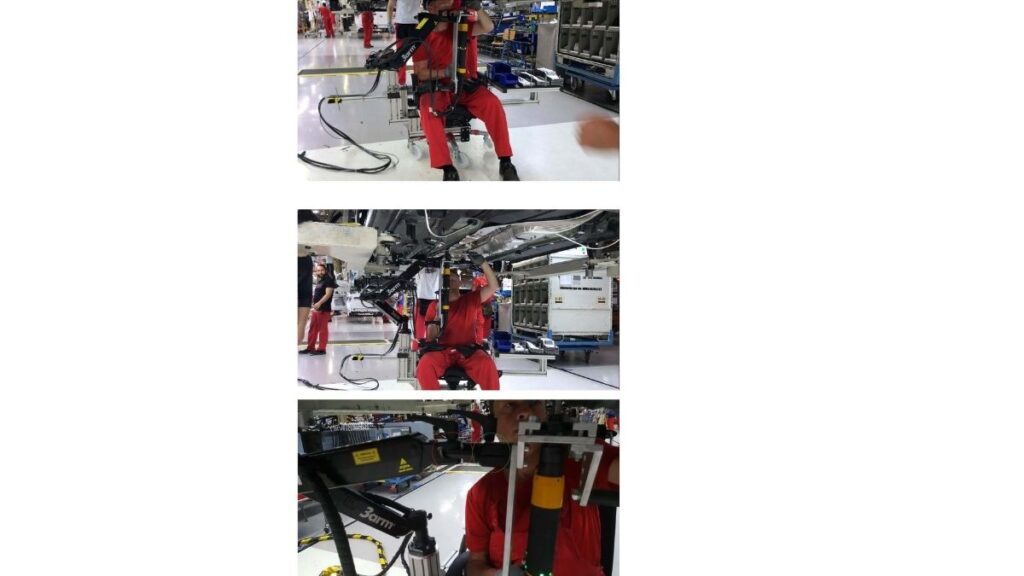
3ARM’s international experience in sectors such as automotive, aerospace, machining and general industry allows each project to be approached with a technical vision focused on performance and ROI. Every tool support system is configured according to weight, application and operational environment, ensuring measurable results from day one.
Investing in a tool balancer means investing in people, productivity and industrial sustainability. If your plant shows signs of fatigue, loss of precision or operational inefficiencies, it is time to act.
Contact 3ARM and request a personalized ergonomic analysis. Our technical team will help you identify the optimal solution for your process and transform ergonomics into a real competitive advantage.