In most industrial facilities, production managers pay close attention to controlling energy costs, preventive maintenance, productivity, and equipment availability. However, there is one area that is rarely analyzed with the necessary depth: the economic impact generated by damaged tools during daily operations.
Grinders, drills, riveters, screwdrivers, and other industrial tools are subjected to intensive use that, over time, can cause breakdowns, frequent repairs, and premature replacements. Many of these incidents are not related to manufacturing defects, but rather to accidental drops, impacts against structures, inadequate handling, or incorrect use resulting from the operator’s accumulated fatigue.
In this context, a tool balancer should not be considered solely as an element intended to improve ergonomics. It also constitutes a strategic solution to protect industrial assets, reduce hidden costs, and maximize the return on investment made in tools.
When the real cost appears after purchase
The acquisition of an industrial tool represents only a part of the total cost that the company will assume throughout its useful life.
Every impact against the ground can affect motors, bearings, electrical connections, or pneumatic components. Even when damage is not immediately visible, it can generate internal misalignments that progressively reduce the tool’s efficiency and increase maintenance requirements.
In industrial environments where the same tool is used over several shifts a day, accumulated wear can become a constant source of repair costs, replacements, and productivity losses.
How a tool balancer protects investment made in equipment
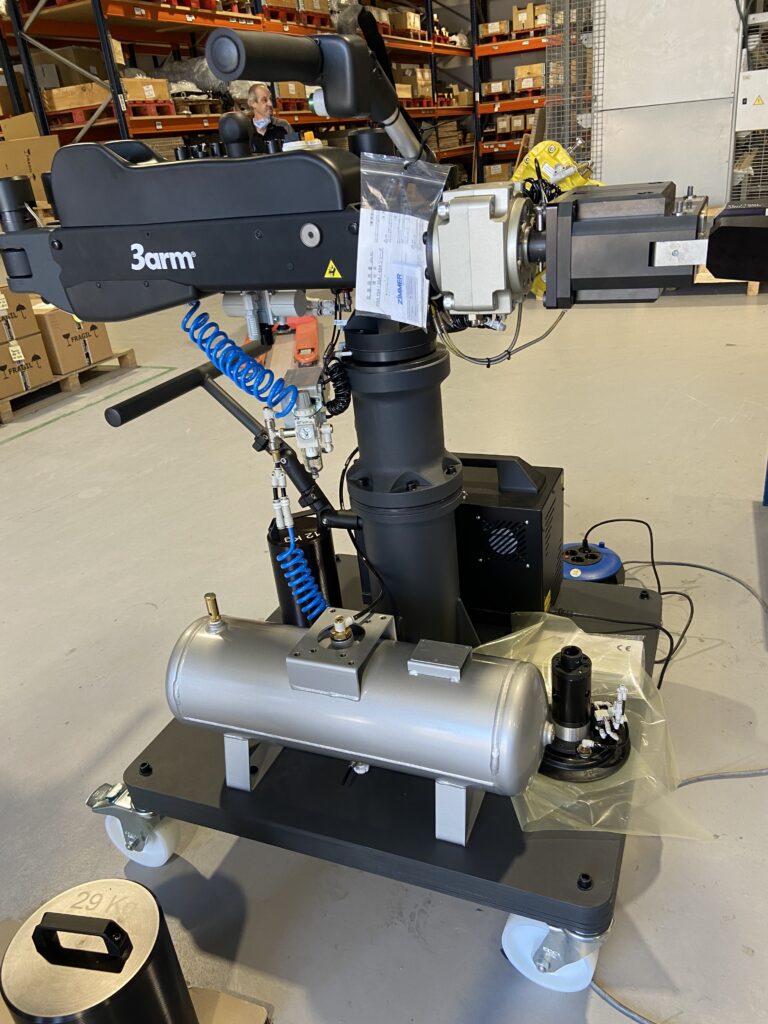
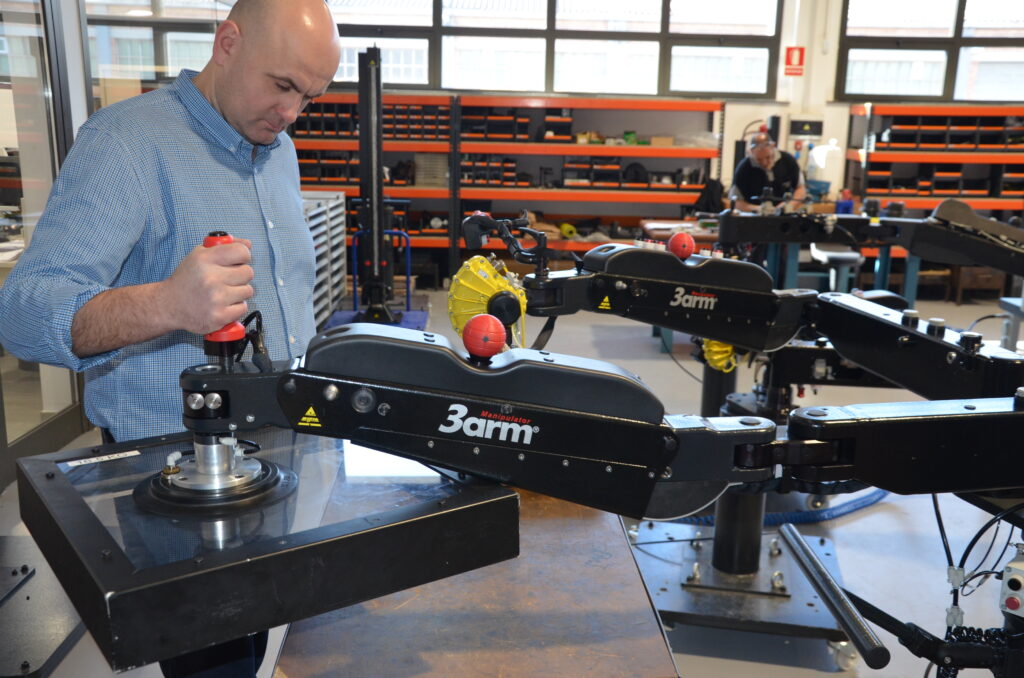
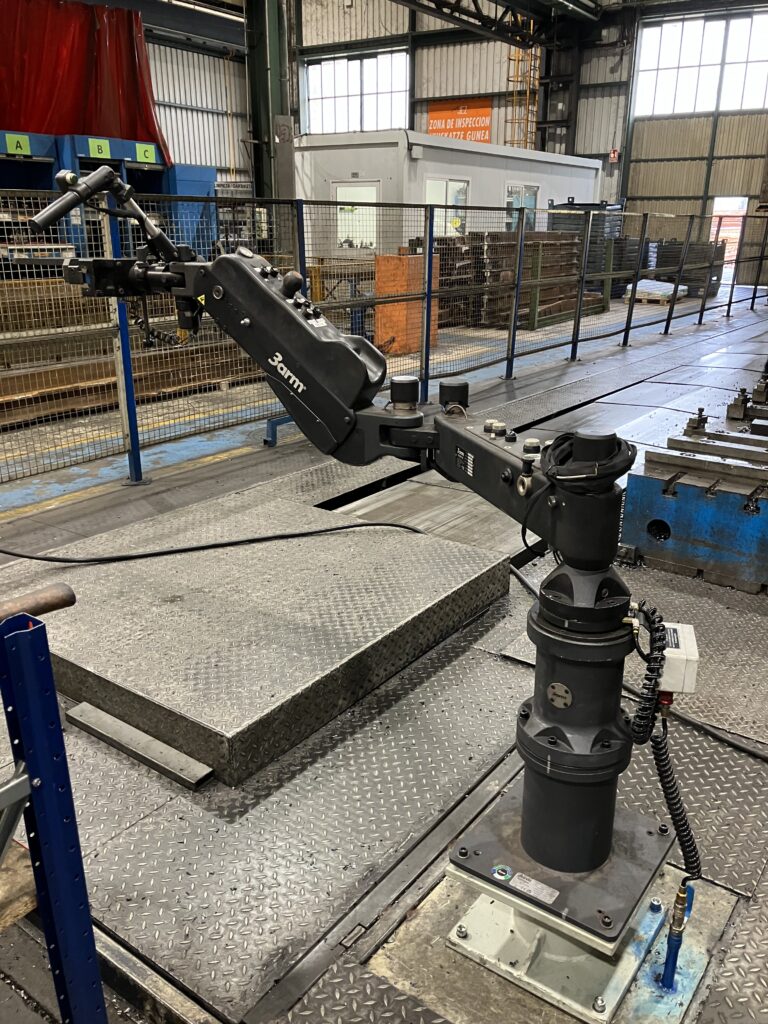
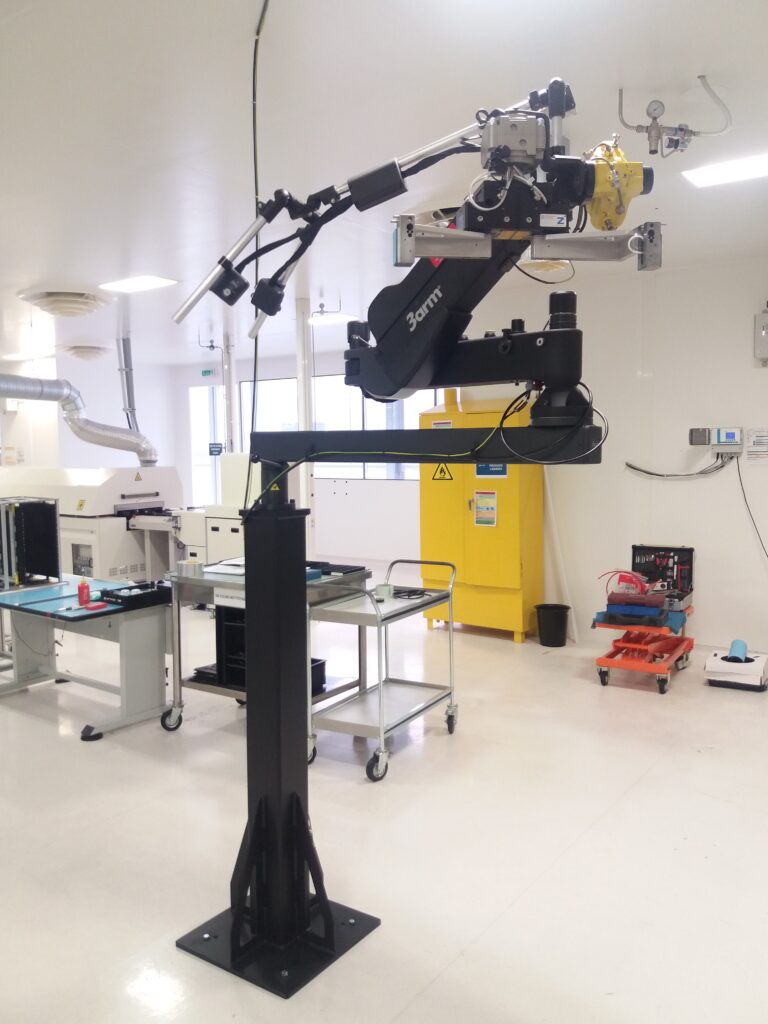
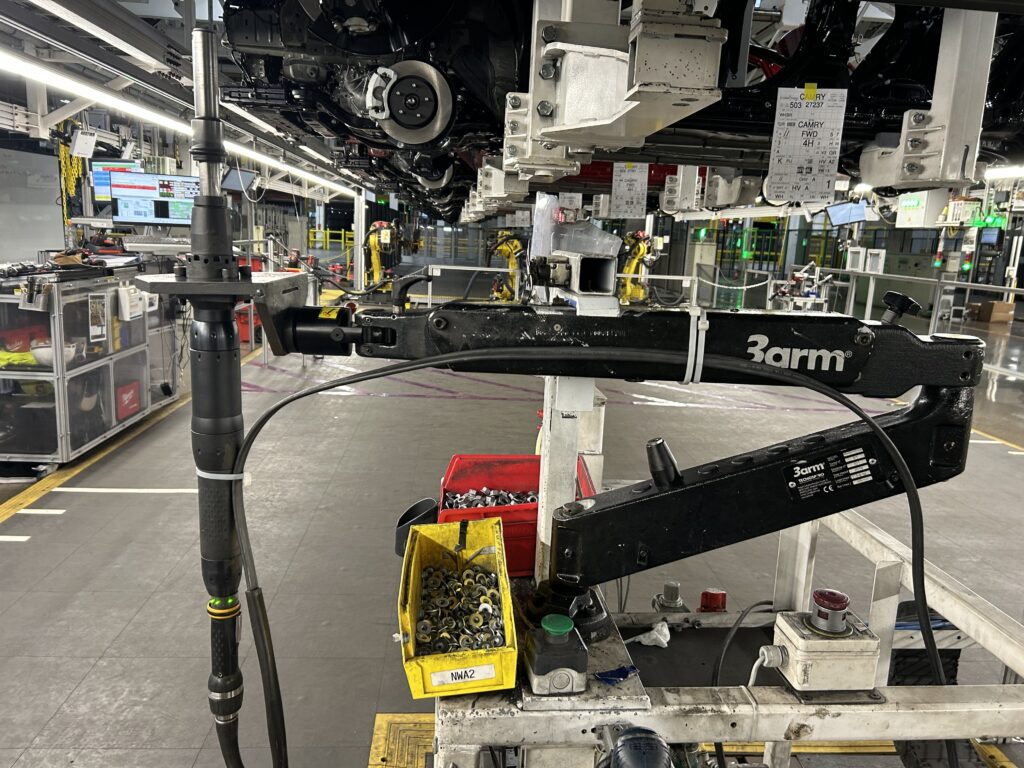
The main function of a tool balancer is to keep the equipment permanently suspended, balanced, and available within the workspace.
Thanks to this assistance, the tool remains under control at all times, significantly reducing the risk of accidental drops when the operator changes position, handles a part, or needs to temporarily release the equipment.
In addition to improving the user experience, this feature directly protects the investment made in high-value industrial tools.
Fewer impacts and greater durability
One of the main benefits of a tool balancer is the reduction of damage caused by accidental impacts.
By keeping the tool suspended through an ergonomic system, the risk of it falling to the ground or hitting nearby structures practically disappears. This helps preserve motors, housings, pneumatic systems, and precision components that normally suffer accelerated wear when tools are handled without assistance.
Less fatigue, fewer errors, and better tool utilization
Physical fatigue directly influences the way industrial tools are used.
When an operator must support the weight of a tool for hours, the probability of making abrupt movements, resting it incorrectly, or using it outside of optimal working conditions increases.
A tool balancer significantly reduces the physical load borne by the worker, promoting more precise movements, better tool handling, and more efficient equipment utilization.
Protection against breakdowns derived from incorrect use
Many breakdowns do not occur due to mechanical failures, but due to operational errors associated with fatigue and working conditions.
By improving control over the tool and reducing the effort required to handle it, a tool balancer helps minimize situations that can cause premature damage, especially in assembly, machining, grinding, welding, or surface finishing applications.
The economic return that many companies overlook
When evaluating an ergonomic solution, attention usually focuses on reducing injuries or improving productivity.
However, there is another economic benefit that deserves to be considered: the reduction of costs associated with corrective maintenance, tool replacement, and downtime.
Decreasing the number of damaged tools means reducing replacement purchases, minimizing technical interventions, and increasing the operational availability of equipment.
In numerous industrial applications, the savings generated by the reduction of breakdowns can quickly offset the investment made in ergonomic assistance systems.
Lower maintenance compared to more complex automated solutions
In recent years, many organizations have explored automated technologies to optimize tool handling and improve working conditions.
Although these solutions may be suitable for certain processes, they usually require high investments, specialized programming, continuous maintenance, and higher operating costs.
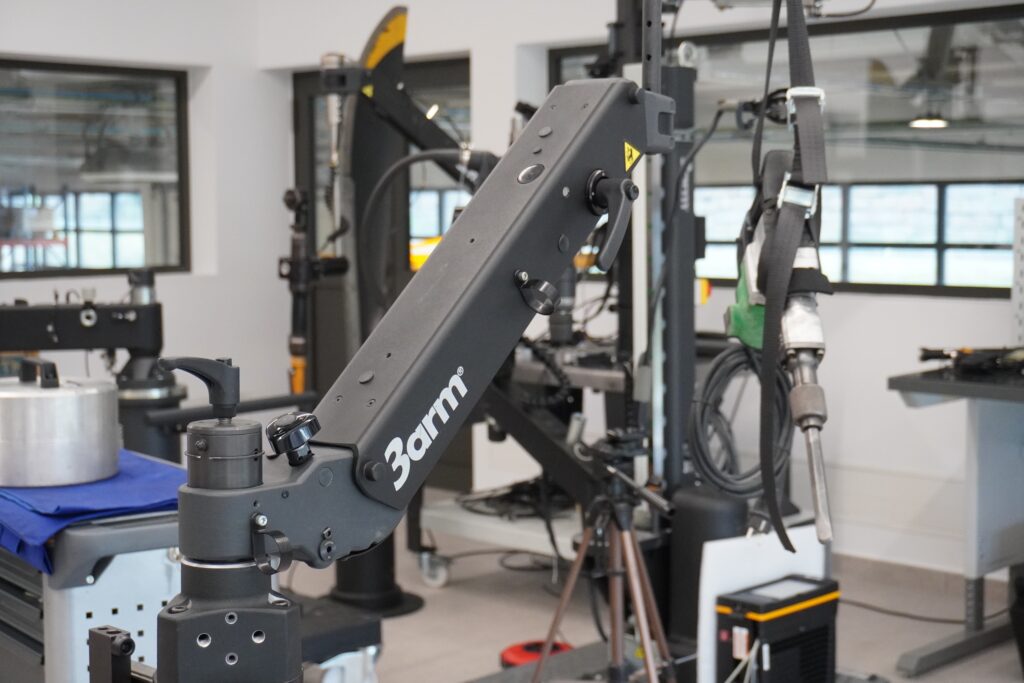
The systems developed by 3ARM offer a particularly efficient alternative for numerous industrial applications. Thanks to their robust, mechanical design, they provide immediate assistance with minimal or practically non-existent maintenance.
This operational simplicity allows for improved workplace ergonomics for manufacturing, increased productivity, and tool protection without assuming the complexity or recurring costs associated with more advanced technologies.
Tool balancer: an investment that protects people, equipment, and profitability
The most competitive industrial companies understand that the true value of a tool does not depend solely on its purchase price, but on its ability to generate performance for years at the lowest possible cost.
The implementation of a tool balancer arm brings benefits that go far beyond ergonomics. It protects equipment against impacts and drops, extends its useful life, reduces maintenance requirements, and minimizes breakdowns that directly affect the profitability of operations.
At the same time, it improves industrial safety and risk prevention, favors more efficient handling, and contributes to creating safer and more productive workstations.
At 3ARM we develop ergonomic assistance solutions designed to protect tools, optimize processes, and reduce hidden costs in demanding industrial environments. Contact our team and discover how a tool balancer can help you increase productivity and the return on investment of your operations.