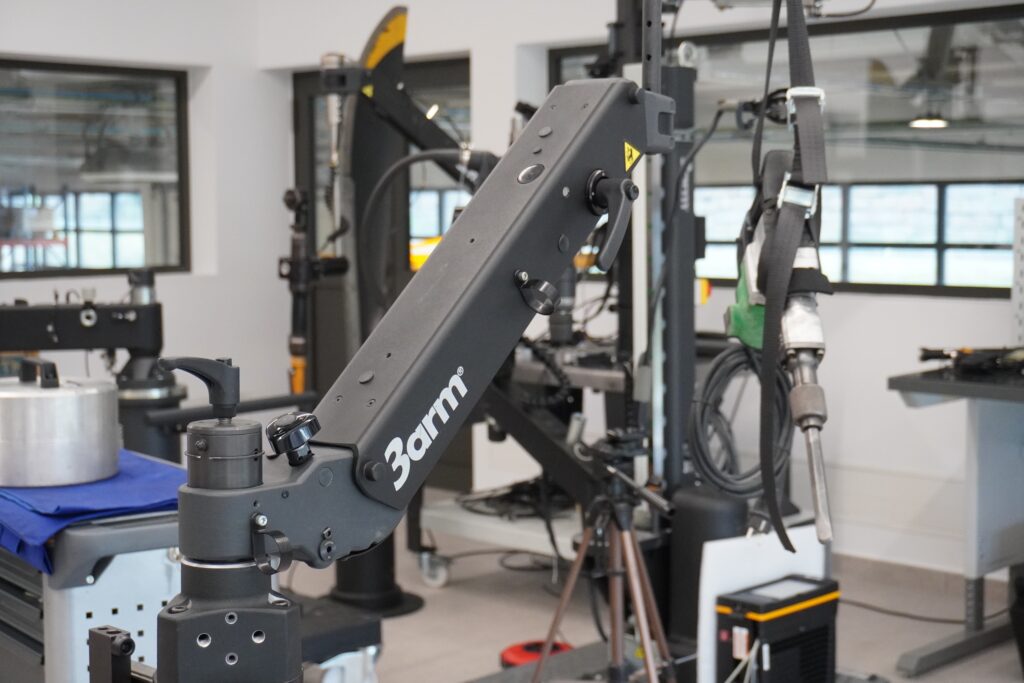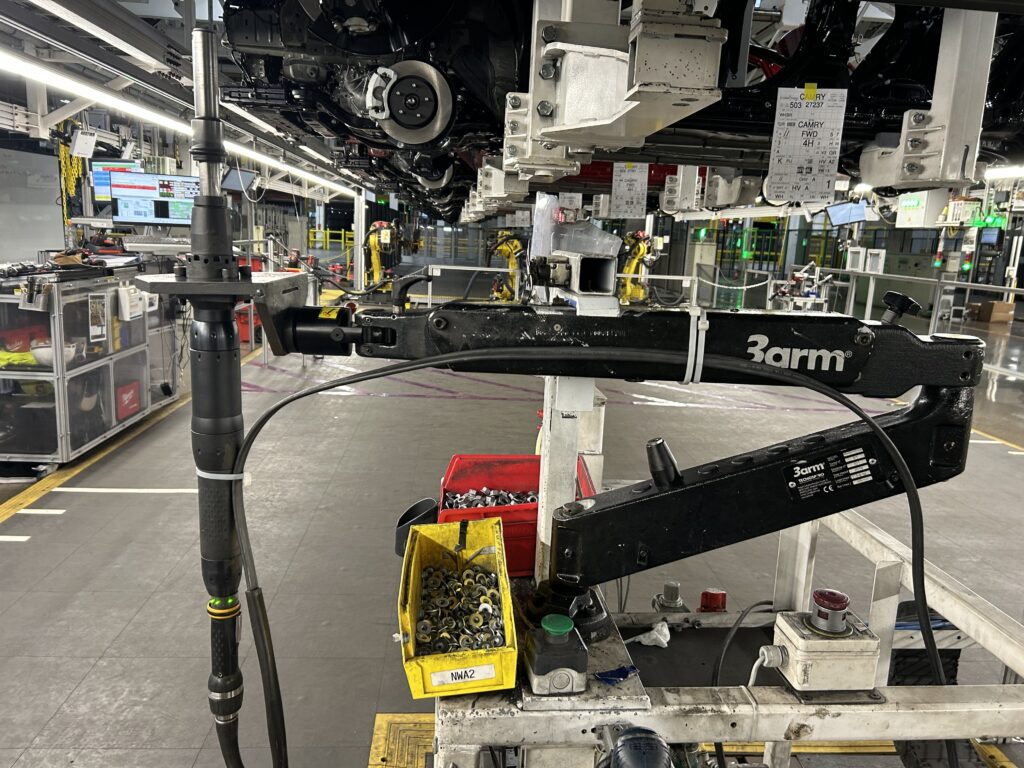
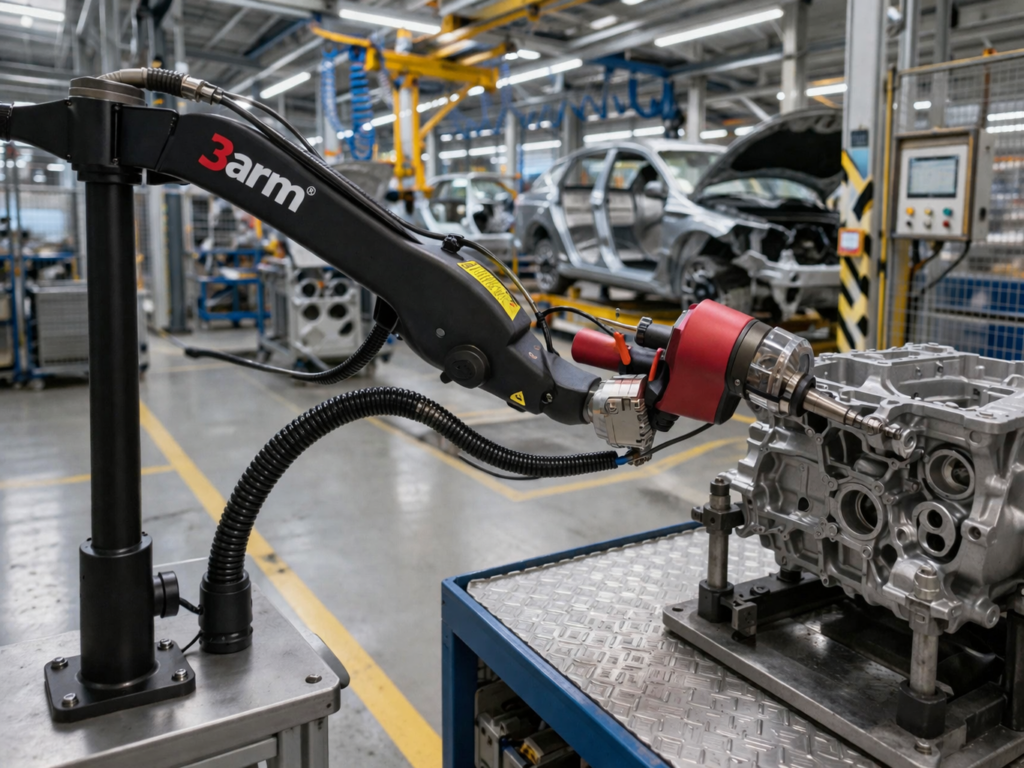
In an optimized assembly line, performance does not depend exclusively on the fastening tool or torque control systems. There is a structural element that directly determines productivity, process quality and operator health: the tool support.
Far from being an accessory, the tool support defines the movements and positioning in which the tool interacts with both the operator and the part, influencing fastening reliability and precision, cycle repeatability and accumulated fatigue throughout the shift.
In applications where tool handling is continuous, any inefficiency in the support translates into micro-interruptions, axis deviations or overexertion that, over time, impact both product quality and operational costs. Therefore, selecting the right system must be approached with clear technical criteria, not solely based on tool weight.
Selection criteria: task, weight and reach as critical variables
The choice of tool support must be understood as the result of three interdependent variables: the nature of the task, the weight of the tool and the required operational reach (movements).
In light, highly repetitive fastening tasks where speed is key, a tool balancer system allows the tool to remain suspended and always available, reducing downtime and unnecessary movements.
However, as precision requirements or torque levels increase, the need to control mechanical reactions becomes critical. This makes it essential to incorporate torque arms capable of absorbing torque without transferring it to the operator.
Weight introduces a second layer of complexity. Beyond certain thresholds, fatigue ceases to be a subjective factor and becomes an operational risk that directly affects process consistency. In these scenarios, simply compensating for weight is no longer enough; it is also necessary to manage movement dynamics and ensure that the tool can be positioned precisely without additional effort.
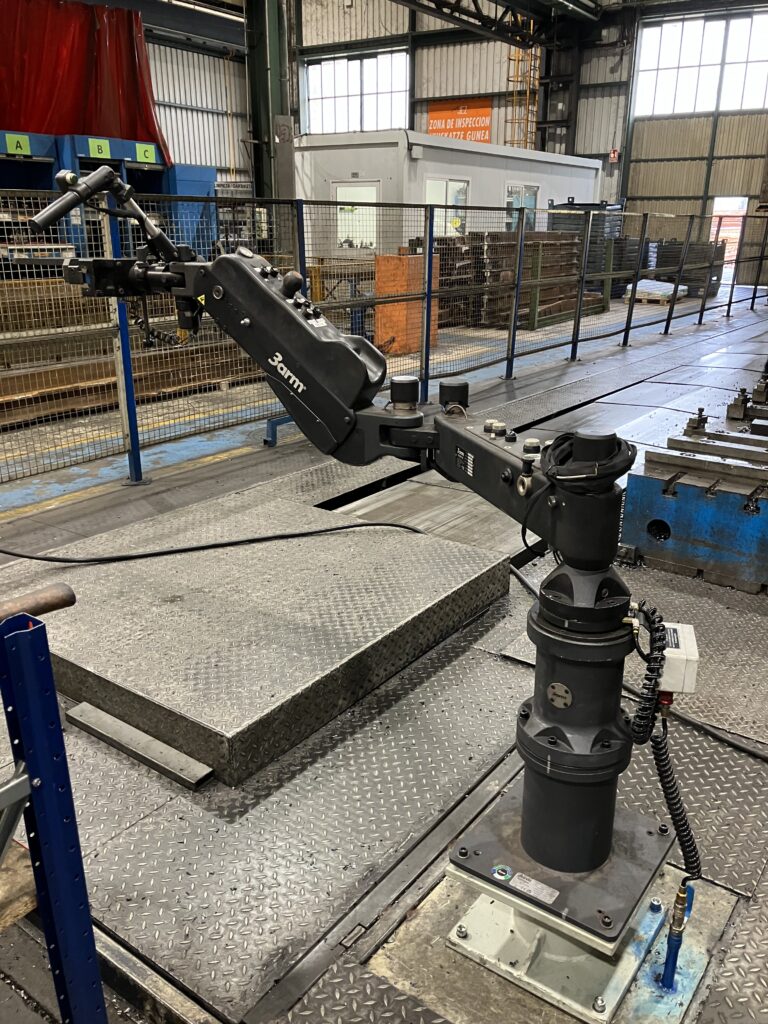
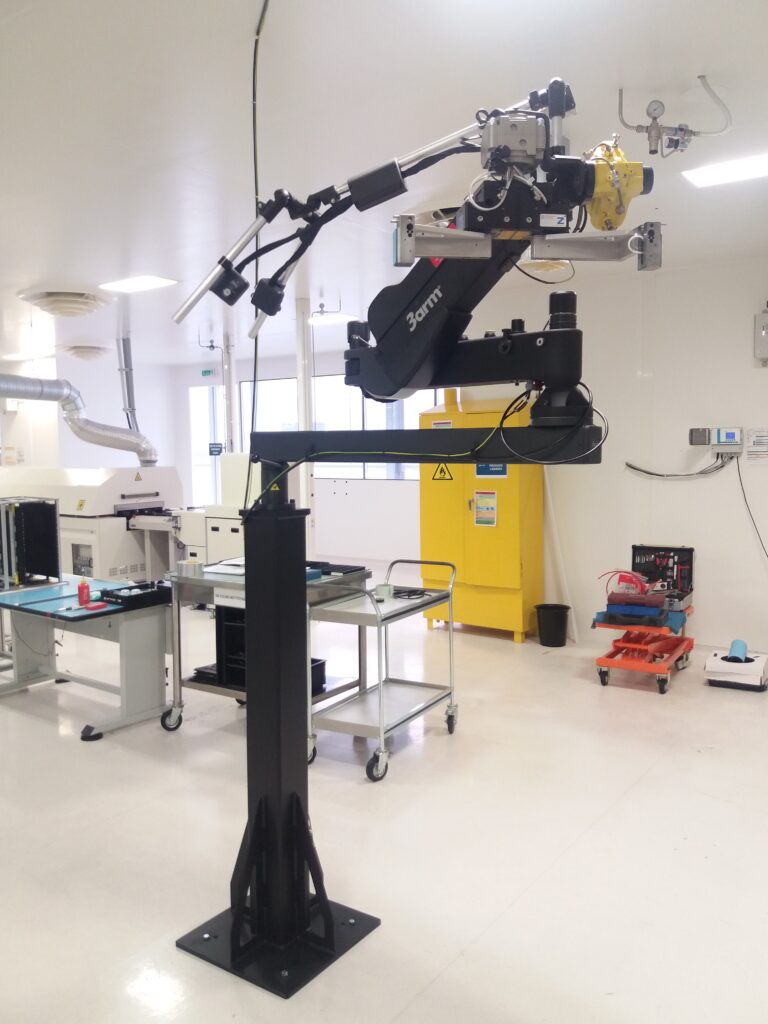
Finally, reach defines the degree of freedom required. Fixed-point operations demand maximum stability, while large work areas require solutions that combine control and mobility without compromising alignment, such as an articulating arm.
Limitations of conventional systems
One of the most common mistakes in process engineering is addressing tool support from an oversimplified perspective focused solely on weight relief. This approach ignores fundamental aspects such as lateral force absorption, misalignment compensation or movement continuity in complex paths. As a result, solutions are implemented that, although functional under ideal conditions, generate operational friction in real production environments.
Conventional systems tend to segment functions: on one hand they balance, on the other they absorb torque, but they rarely integrate both capabilities efficiently. This forces compromises that affect ergonomics or precision, especially in environments where tolerances are increasingly demanding and work cycles more intensive.
The evolution towards dynamic support systems
In this context, advanced tool support systems represent a necessary evolution. The integration of mechanisms that combine weight compensation, torque absorption and freedom of movement allows tool handling to be approached from a perspective closer to the operator’s natural behavior. The result is a smoother interaction, where the tool is perceived as an extension of movement itself, without inertia or resistance interfering in the process.
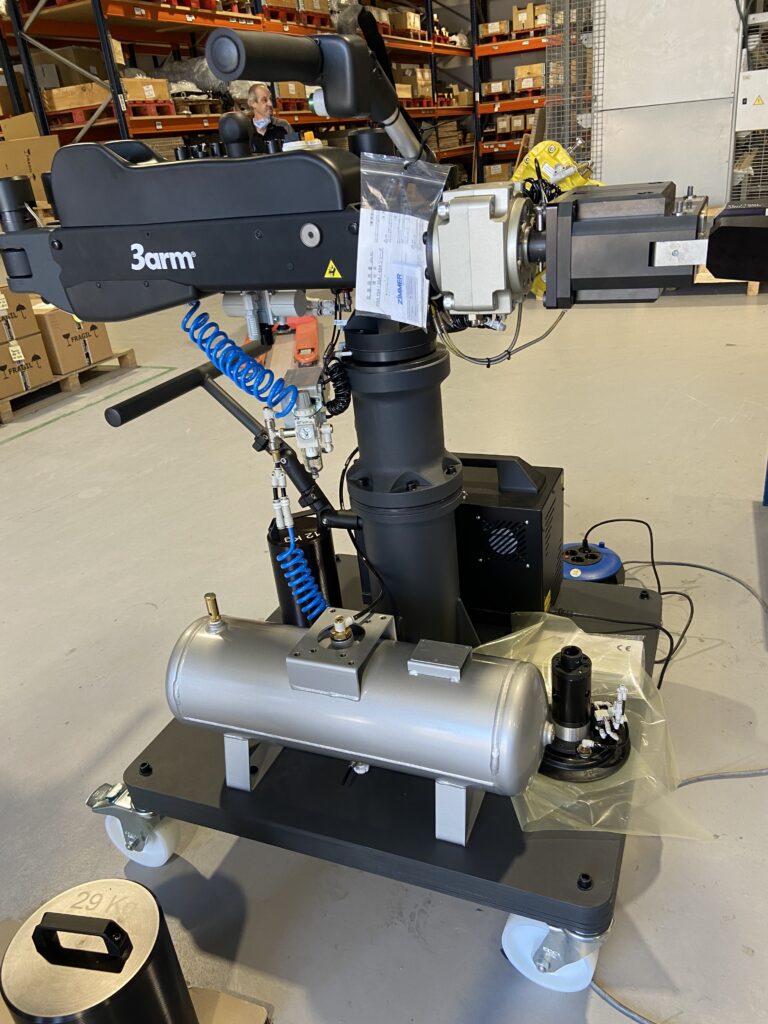
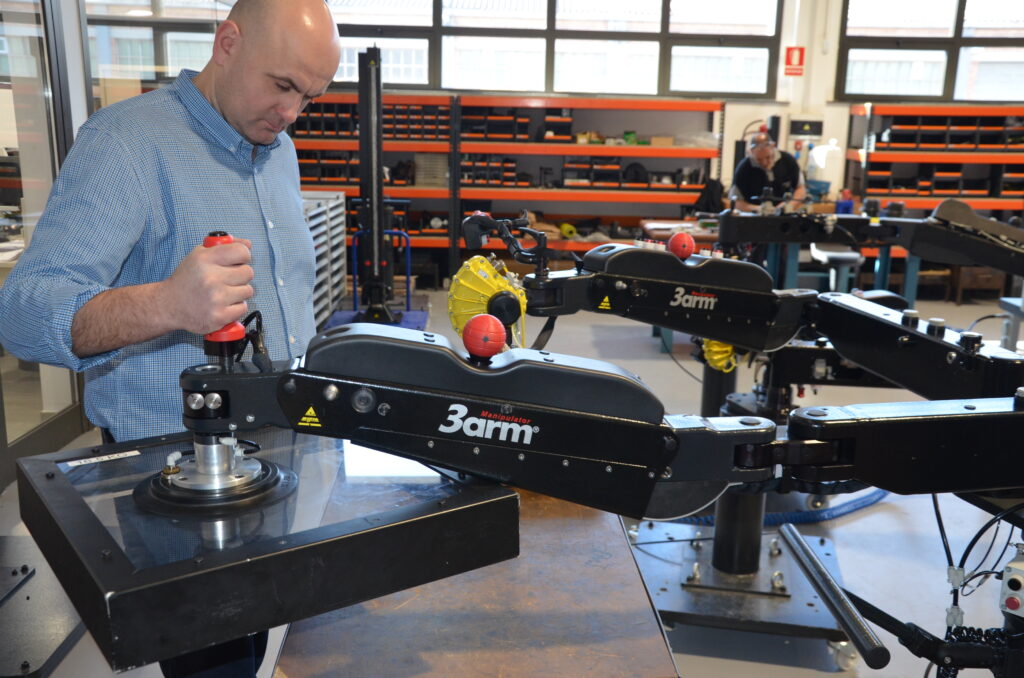
The solutions developed by 3ARM respond precisely to this logic. Their approach is based on eliminating the limitations of traditional systems through designs that enable work with heavy or high-torque tools without sacrificing precision or ergonomics. This translates into a significant reduction in physical load, improved alignment during fastening and greater consistency in results, even in complex or highly demanding applications.
A decision that directly impacts competitiveness
Selecting the right tool support is not a secondary matter in assembly line design. It is a decision that determines overall system efficiency and directly influences key indicators such as productivity, quality and operational sustainability. In an industrial environment where every second and every repetition count, optimizing tool handling becomes a tangible competitive advantage.
Optimize your line with specialized solutions
At 3ARM, we understand that each application presents specific challenges. That is why we develop tool support solutions designed to adapt to real production conditions, combining ergonomics, precision and reliability. If you are looking to improve your assembly line performance and reduce the physical impact on your operators, our team can help you define the most suitable solution for your process.
Contact 3ARM and discover how to transform tool handling into a key factor for industrial efficiency.